
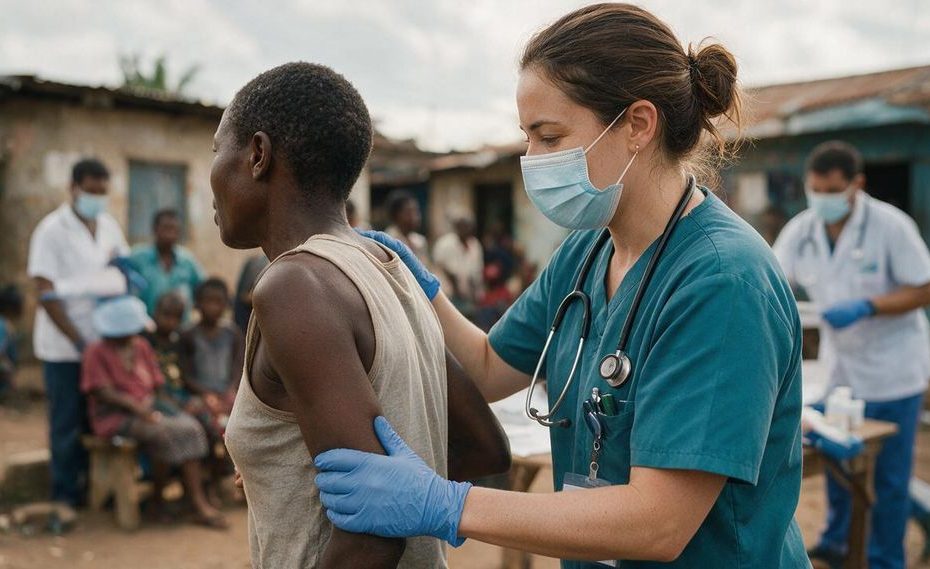
Public health grants help underserved areas close care gaps by funding the staff, services, technology, transportation, outreach, and partnerships needed to connect residents with care. Their value comes from building local capacity around documented community needs, measurable outcomes, and a plan for continued funding.
Care gaps rarely come from one barrier. Provider shortages, treatment costs, travel distance, language access, unstable housing, food insecurity, limited insurance coverage, and low trust can overlap in the same community.
Public health grants give your organization a way to address selected barriers without placing the full cost on patients or an already strained operating budget. To make that funding count, you need to understand what grants can support, what funders expect, and how the work will continue after an award ends.
Why Do Care Gaps Persist In Underserved Areas?
Care gaps persist because available services do not always match the needs, location, schedules, resources, or living conditions of the people they are meant to serve. Opening a clinic or adding appointments can help, but access remains limited when patients cannot reach the facility, afford care, understand instructions, or navigate referrals.
Provider supply is one part of the problem. The Health Resources and Services Administration (HRSA) designates Health Professional Shortage Areas (HPSAs) based on shortages in primary care, dental care, and mental health services. These designations help identify communities where population needs exceed available professional capacity.
Rural communities often face added pressure from long travel distances and reduced access to specialty and emergency services. The Centers for Disease Control and Prevention (CDC) reports that rural residents face greater risks connected with several leading causes of death and often experience lower access to health care. A missed appointment in these areas may reflect a lack of transportation, unpaid time away from work, or the need to travel several hours rather than a lack of interest in treatment.
Social determinants of health also shape whether people can use available services. These are the conditions where people live, learn, work, worship, play, and age. If you plan an access program without examining housing, food, transportation, employment, language, and community trust, you may fund clinical capacity that many residents still cannot use.
What Can Public Health Grants Do, And What Can’t They Do?
Public health grants can pay for defined projects that increase access, strengthen prevention, improve coordination, or build organizational capacity. They cannot replace dependable reimbursement, permanent staffing budgets, or long-term public investment.
A grant may support a mobile health clinic, telehealth equipment, community health workers, patient navigation, preventive screenings, language services, transportation assistance, or a local referral network. It may also fund a community needs assessment, staff training, data collection, or technology needed to track patients across partner organizations. These investments can remove specific access barriers and help you test a service before adding it to regular operations.
Grant restrictions matter. An award may limit which costs qualify, which population can receive services, how quickly funds must be spent, and what results must be reported. Some programs permit equipment purchases but restrict construction, ongoing clinical expenses, or activities outside the approved service area.
You should treat grant funding as bridge capital for a defined capacity gap. Before applying, identify what the award will build, how residents will benefit, and what resources will keep the service operating. A program that depends on repeated short-term awards without another revenue source remains vulnerable, regardless of its early results.
How Can Grants Expand Access Through Workforce And Outreach?
Grants can expand access by placing trained staff closer to patients and reducing the steps required to enter care. Funding can support recruitment, workforce training, outreach, navigation, mobile services, and remote care when those activities match the award terms.
Community health workers can connect residents with clinics, benefits, transportation, preventive services, and local support programs. Patient navigators can help people schedule visits, complete referrals, prepare documents, and understand follow-up instructions. These roles are especially useful when your patients must deal with several agencies or care providers.
Mobile health clinics can bring screenings, vaccinations, primary care, and education to isolated communities or neighborhoods with limited clinical capacity. Telehealth can reduce travel for suitable visits, but technology alone does not remove every barrier. Your budget may also need to cover private access points, internet connectivity, digital support, interpretation, scheduling, and referral follow-up.
Workforce funding works best when your grant includes recruitment and retention measures. A budget that pays salary without accounting for supervision, training, travel, equipment, and administrative support can leave a new employee unable to perform the proposed work. You also need a plan for the position when grant funding expires, especially in areas where qualified workers are already difficult to recruit.
Health centers show how grant-supported local capacity can operate at scale. HRSA funds about 1,400 health centers running more than 16,600 service sites, and those centers serve more than 32 million people. They provide care in urban and rural communities and use sliding-fee discounts to serve patients with limited ability to pay.
How Do Grants Address Social Drivers Of Health?
Grants can help you address nonclinical barriers that prevent people from receiving or continuing care. Common targets include transportation, food access, housing instability, language services, benefits enrollment, and coordination between health and community organizations.
A transportation grant could support ride coordination, mileage assistance, transit vouchers, or partnerships with local transportation providers. A food-access award could connect eligible patients with nutrition programs and local food organizations. Housing-related funding may support screening, referral management, or coordination with agencies that help residents avoid displacement.
These activities need a clear connection to health access or outcomes. A screening tool has limited value if staff cannot make a referral or confirm that the patient received help. Funders will usually expect you to describe the full service path, from identifying a need to connecting the resident with a partner and documenting the result.
Partnership agreements can make these projects stronger. A clinic may manage health screenings, a local nonprofit may provide transportation, and a food organization may handle nutrition referrals. Your application should define each partner’s duties, data responsibilities, communication process, and share of the budget rather than relying on general letters of support.
Community input should guide which barriers receive funding. Listening sessions, patient surveys, claims data, missed-appointment patterns, local health assessments, and partner records can help you compare perceived needs with documented service gaps. This step reduces the risk of building a program that looks useful on paper but does not match how residents seek care.
What Types Of Public Health Grant Funding Are Available?
Public health funding can come from federal agencies, state and local health departments, community foundations, national foundations, health systems, and other charitable funders. The best source depends on your legal status, service area, target population, project type, and capacity to manage the award.
Grants.gov is the main federal portal for organizational funding opportunities. HRSA publishes grants related to health centers, rural health, workforce development, maternal and child health, and other access priorities. The Centers for Disease Control and Prevention funds public health programs, and the Department of Health and Human Services (HHS) provides grant management information across its agencies.
Federal awards can offer substantial support, but they often require detailed registrations, budgets, work plans, performance measures, and compliance systems. State health departments may distribute federal funds or issue programs designed around state priorities. Local health departments can also become applicants, partners, referral sources, or data contributors.
Private foundations may offer narrower application processes, planning grants, technical assistance, or funding for work that does not fit a federal program. Community foundations can be useful for smaller local projects and early partnership building. National funders may support public health capacity, community development, data use, or access to respectful and affordable care.
Review the Notice of Funding Opportunity (NOFO) before investing staff time in an application. Confirm eligible applicant types, geographic limits, matching-fund rules, allowable costs, reporting duties, award size, project length, and required partnerships. A strong project is still a poor fit if your organization or proposed expenses fall outside the written requirements.
Who Is Eligible, And What Do Funders Expect?
Eligibility depends on the individual funding notice, not the general subject of the grant. Eligible applicants may include nonprofit organizations, community health centers, tribal entities, educational institutions, state or local agencies, rural clinics, hospitals, or formal partnerships.
Federally Qualified Health Centers (FQHCs) and other community health organizations may qualify for programs tied to primary care access, workforce, prevention, or service expansion. Small nonprofits can also qualify, but they need the legal, financial, and administrative systems required by the funder. Fiscal sponsorship or a lead-partner arrangement may be an option when permitted by the funding notice.
Funders expect a direct connection between the documented problem, proposed activities, budget, and outcomes. Your application should explain who faces the care gap, where they live, which barriers prevent access, and how the funded work will change the service path. Broad statements about community need are weaker than local measures tied to your proposed activities.
Your budget should match the work plan line by line. If the proposal includes outreach in several locations, the budget may need staff time, travel, printed materials, interpretation, technology, and supervision. If it includes data sharing, you may need software, staff training, privacy procedures, and partner coordination.
Matching funds deserve early attention. Some awards require your organization to contribute cash or approved noncash resources. Confirm whether staff time, donated space, equipment, partner services, or other contributions qualify before presenting them as a match, and maintain records that meet the funder’s rules.
How Can Small Organizations Compete For Public Health Grants?
Small organizations can compete by choosing a well-matched opportunity, limiting the project to manageable work, and building a clear case with available local evidence. You do not need a large development office to submit a focused application, but you do need enough time and staff capacity to manage the award.
Start with a grant-readiness review. Confirm that your registrations, financial records, governing documents, audit information, policies, service data, and partner agreements are current. Assign responsibility for writing, budgeting, submission, program delivery, financial tracking, and reporting before the deadline approaches.
A narrow project often produces a stronger application than an oversized proposal. You could focus on improving referral completion in one service area, extending mobile care to selected communities, or training a defined group of community health workers. A limited scope makes costs easier to defend and outcomes easier to measure.
If your data systems are limited, use reliable information that already exists. Local health assessments, HPSA designations, clinic records, appointment data, patient surveys, census information, and partner service records can document need. State offices, universities, health departments, and the Rural Health Information Hub may also provide technical resources or public data.
Partnerships can fill real capacity gaps, but they should not exist only to strengthen an application. Choose partners that can contribute staff, service access, local trust, referral capacity, data, space, or technical skill. Put those contributions in writing and decide how decisions, funds, records, and reporting will be handled.
Account for administration in the project budget when the award permits it. Reporting, financial management, procurement, staff supervision, and performance measurement require paid time. Ignoring those costs can pull employees away from patient care and weaken grant compliance.
How Do You Sustain And Measure A Grant-Funded Program?
You sustain a grant-funded program by planning future financing before services begin and by measuring results that matter to residents, partners, payers, and funders. Sustainability is stronger when the grant builds a service that can later draw from reimbursement, operating revenue, partner contributions, or several funding sources.
Begin by separating start-up costs from recurring costs. Equipment, workflow design, staff training, and software setup may be temporary expenses. Salaries, transportation, interpretation, technology subscriptions, supplies, and supervision will continue, so each recurring cost needs a possible future funding source.
Your plan may combine reimbursable services, organizational funds, local government support, foundation grants, partner contributions, or contracts. Some activities may become part of an existing employee’s role after the pilot period. Others may require a permanent budget line because removing them would reopen the care gap.
Choose measures that connect activity with access and patient results. Useful measures may include residents contacted, appointments scheduled, visits completed, referral completion, wait times, missed appointments, preventive services delivered, transportation use, and successful connections to community resources. Break down results by service area or patient group when permitted and useful, so broad averages do not hide persistent gaps.
Set a starting measure before launching the program. If you want to reduce missed appointments, record the current rate and the reasons patients report for missing care. Review results during the grant rather than waiting for the final report, then adjust staffing, schedules, outreach channels, or partner workflows when the data show weak performance.
Your closing report can support the next funding case when it connects spending with measurable change. Document which activities reached residents, what the service cost, where referrals stalled, and which partnerships delivered value. Honest reporting about limitations can help you build a more practical budget and work plan for future awards.
How Do Public Health Grants Help Underserved Areas?
- Fund clinics, mobile care, telehealth, and outreach
- Expand community health workers and preventive services
- Address transportation, food, housing, and care coordination
- Build data systems and lasting local partnerships
Turn Grant Funding Into Lasting Local Capacity
Public health grants can help you close defined care gaps when funding follows verified community needs and a realistic service plan. The strongest projects connect workforce, outreach, clinical care, social support, data, and trusted local partners instead of treating each barrier separately. Build measurement and future financing into the project before the first dollar is spent. Grants cannot replace stable reimbursement or permanent operating support, but they can help you test services, expand access, and prove which investments deserve to continue. Used with discipline, public health grants become a bridge from unmet need to dependable local capacity.
References
- Health Resources and Services Administration: Health Center Program
- Health Resources and Services Administration: Health Workforce Shortage Areas
- Health Resources and Services Administration: Grants
- Centers for Disease Control and Prevention: Social Determinants of Health
- Centers for Disease Control and Prevention: Rural Health
- Centers for Disease Control and Prevention: Grants
- County Health Rankings & Roadmaps: Health Factors and Measures
- KFF: Key Facts About the Uninsured Population
- Rural Health Information Hub: Rural Health Disparities
- Grants.gov
- Department of Health and Human Services: Grants
- National Association of Community Health Centers: Research and Data
- Robert Wood Johnson Foundation: Grants and Funding Opportunities.